Guide to Training Mobile Command Teams to Maximize Efficiency
In 2024, U.S. residents saw 27 weather-related disasters ranging from severe storms and tropical cyclones to blizzards and wildfires. That’s just weather. It doesn’t account for situations like building collapses, outdoor music festivals, or major sporting events.
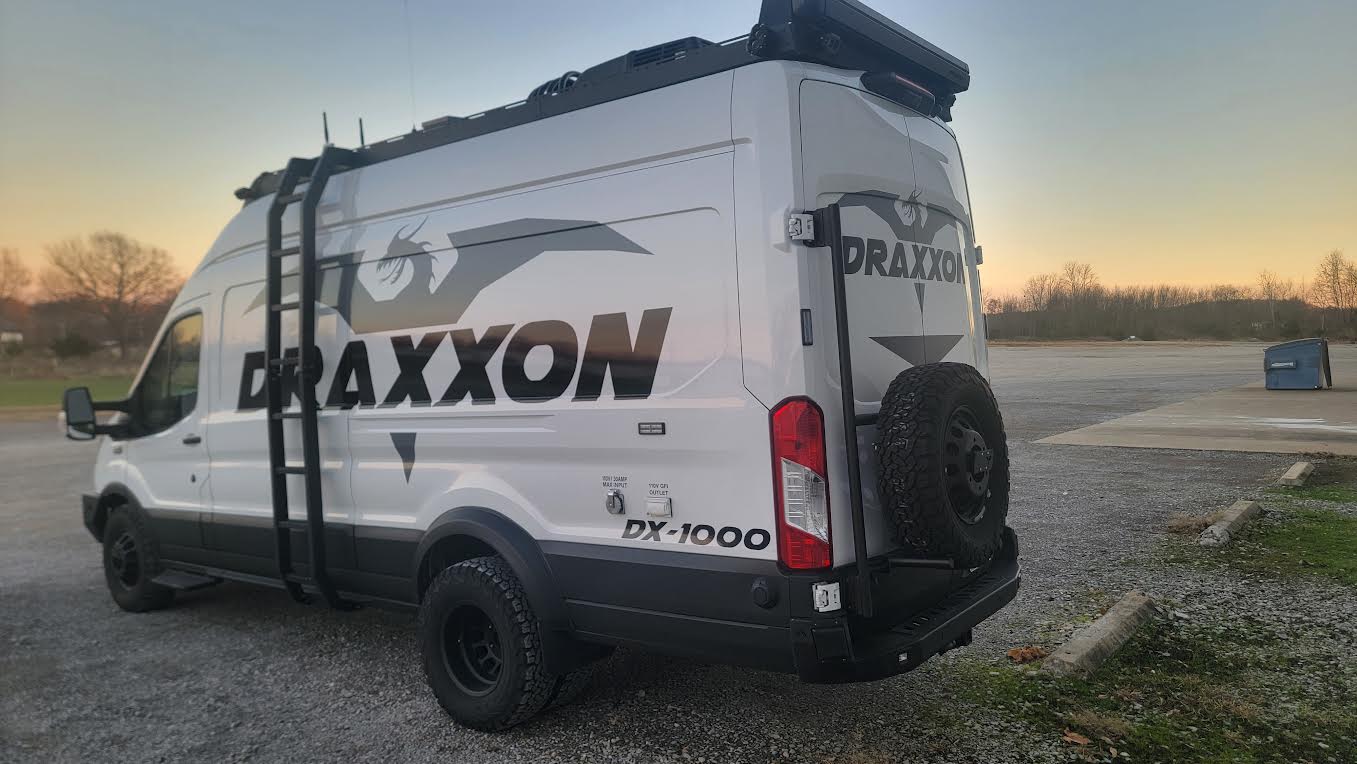
High-stakes situations, such as natural disasters or large events, demand quick, accurate responses supported by reliable technology and mobility. Draxxon leads in mobile command tech, ensuring teams stay focused and effective.
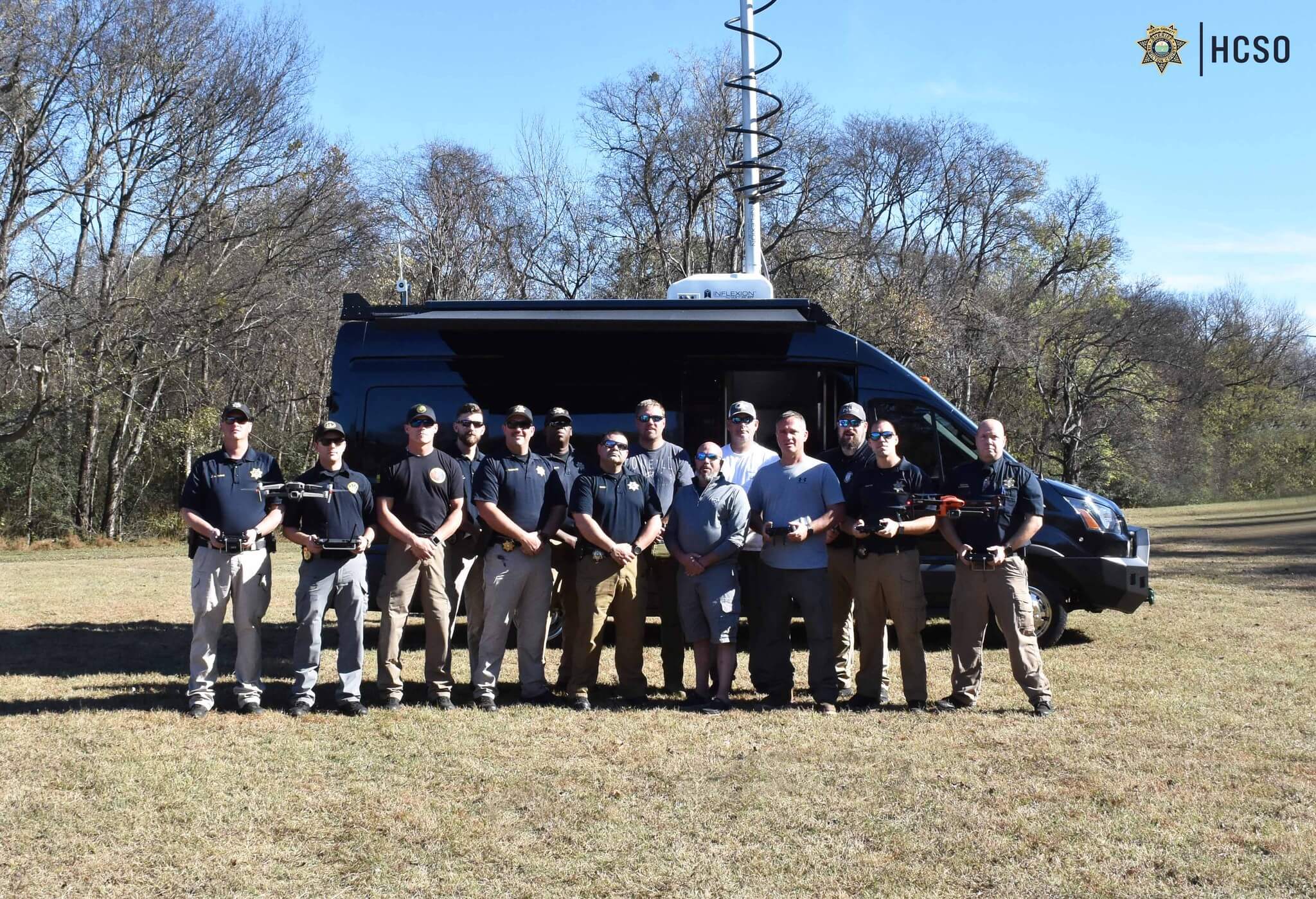
However, even the most advanced Mobile Command Center (MCC) is only as good as the team operating it. Our guide helps train mobile command teams to maximize efficiency and achieve success.
Clearly Define the Mission
Efficiency begins with a clear definition of your team’s mission. You have a Draxxon Mobile Command Vehicle that carries all the technology you need. However, your team must understand exactly what the mission is and how the equipment helps them through each of the three stages faced in any mission.
- Critical – Deploy, manage power, and establish communications
- Operational – Key operations including live streaming, interagency communications, and UAS integration
- Specialized – Counter-UAS operations, sustained mission support, and AI-driven surveillance
Regardless of whether it’s search and rescue, a natural disaster, or event security, your team needs to know the mission and their role at each stage. If you have one team member who is uncertain where to go, it slows down the rhythm a successful mission needs.
Know Your MCV Inside and Out
A Draxxon MCV combines multiple technologies into a single interface. Teams must be proficient in using all systems cohesively to prevent a loss of efficiency during critical operations. We emphasize the importance of ensuring all team members know what’s in the MCC and how the different features work together.
1. Communications and Connectivity
During a natural disaster, a military mission, or an event security job, connectivity and lightning-fast communication are everything. You can’t have lag or dropped calls slowing down messages between organizations.
Command teams need to be proficient in Draxxon’s multi-layered satellite redundancy and dual 5G small cells, which create networks and enable first responders to communicate flawlessly.
2. Cybersecurity Protocols
In high-stakes missions, private communication is vital. Training must include configuring multilayer firewalls and VPNs to ensure classified data remains secure against external interference.
3. Network Management
Train your team to monitor signal strength across different cellular carriers. They should understand how the system automatically switches to the strongest network to maintain high-speed data transfers and prevent dropped calls or lag.
4. Real-Time Data Visualization and Situational Awareness
Real-time data is essential to a successful operation. It also enhances situational awareness, enabling your team to assess the situation and make well-informed decisions. With this technology, your team is always aware of their surroundings and any potential obstacles.
- Everything on One Screen: Maximum efficiency is achieved when the team can view the entire operational theater on a single dashboard. With everything on one screen, decisions are made faster.
- Visual Synthesis: Team members need training on using the daylight-viewable monitors that collect real-time data from fixed-mount cameras, GIS mapping, and thermal sensors.
Train Your Team to Drown Out Distractions
Draxxon’s DX-1000 is a climate-controlled, ergonomic workspace. It’s designed to be comfortable and prevent fatigue during long missions. However, your team needs to be able to concentrate and drown out some of the noise and distractions that occur during a chaotic event. Intense concentration comes with practice.
- Data Triage: A lot of data flows in during an emergency event or security deployment. Train your team to quickly sift through all that data and pull out the critical information so they can act quickly.
- Targeted Isolation: During a critical mission, targeted isolation helps UAS operators focus by shielding them from external distractions. It helps pilots and camera operators stay focused without drowning out important command decisions.
- UAS/C-UAS Integration: Drills where command staff and UAS pilots are also important to conduct. It heightens the speed at which visual data is transferred without the pilot having to leave the UAS flight station. You also want to practice “Detect, Identify, Neutralize” drills in counter-UAS missions. As AI guides these monitoring systems, your team members need to be familiar with AI and how it assists in the mission.
Don’t Ignore the Importance of Regular Maintenance
Continuous training is important. Hold drills from time to time to keep your command team sharp. It’s not all you should be doing.
All of the technology in your mobile command vehicle is essential, but it’s useless if maintenance is overlooked. Efficiency is obliterated if the truck or van overheats or has a flat tire. It’s useless if your driver isn’t familiar with how the MCV handles on sandy roads or muddy mountain roads. It’s also impacted if your software or drivers are out of date. Make sure you:
- Check the status of computer software and drivers regularly to save valuable time when you next turn on computers. If you get stuck in an hour-long OS update, your efficiency tanks.
- Cycle through battery banks, power connections, and the primary generator to ensure the MCC still works effectively if the main power source fails.
- Inspect UAS, charging ports, and battery chargers to check for damage or failing components. If a cable is no longer working, it’s better to find out when you’re not on a time-sensitive mission.
- Perform routine engine maintenance such as oil changes, fluid level inspections, and tire pressure checks. You don’t want to be halfway up a mountain and learn that the truck’s tires are losing air.
- Test drive the vehicle on different terrains to ensure the vibration-resistant enclosures and racks are still doing their job.
Build a Five-Phase Program
Once the command team’s training is complete and maintenance plans are in place, ensure every mission follows these five phases.
- Pre-Deployment: Ensure the software is up to date, and the batteries are fully charged.
- Upon Arrival: Set up the MCC by ensuring the legs are level, systems are booted, and masts are fully deployed.
- Begin Operations: Bring radio feeds, thermal images, and UAS footage into a single view.
- Ensure Full Collaboration: All external agencies communicate clearly.
- Post-Mission Follow-Up: When the mission is over, review how it went and address any concerns or questions that your team has. Inspect the equipment for any damage or issues, and fill the fuel tank before you return to the station so that you’re ready to go on the next mission.
Draxxon works with you from the moment you reach out. We ask you questions, pinpoint your needs, and anticipate any obstacles you may encounter. With this approach, your MCC is custom-built for success and delivered on time. It’s ready for deployment, and our team will familiarize you with the technology and operations. With 24/7 support, you’re never on your own.