Today’s Americans rely heavily on the infrastructure for everyday living. In a rural area, a power outage can make it impossible to draw water from a drilled well. In the city, a hot summer afternoon becomes unbearable when you’re trapped at the top of an apartment building with no working AC or elevators.
From the power grids supplying electricity to the natural gas that heats and cools homes across the country, infrastructure is essential. That also makes it one of the most important areas to protect from cyber attacks, intentional damage, and severe weather.
When a tornado destroys a substation or a hacker takes over a water treatment plant, there’s no time to waste. Fixed command centers can’t act fast enough to help protect the people relying on those systems. Flexibility and adaptability are essential and exactly what Mobile Command Centers (MCCs) provide.
DRAXXON’s line of towable trailers and rugged van MCCs allow emergency management, security, and utility companies to get to the site as quickly as possible while providing the command, control, and intelligence needed to manage and resolve the situation.
Common Vulnerabilities in Today’s Infrastructure
Earlier in July 2026, massive thunderstorms impacted several towns and cities in New Jersey. Four inches of rain fell in one hour in Camden County. More than 650 trees fell, blocking trains and taking out power lines, leaving over 750,000 residents without power.
The damage to the infrastructure was tremendous, and it also posed a problem for people trying to deal with the extreme heat. It showcased a greater problem with modern infrastructure and weather events. When there’s so much to fix at once, where do you start?
Protecting the infrastructure requires constant monitoring of not only the data coming in from facilities and substations but also weather maps. An action plan needs to be drawn up, tested, and ready to use at a moment’s notice. Cross-agency communication must be seamless.
Three areas need to be considered in that action plan because of the vulnerabilities they often experience.
Disaster Recovery/Emergency Restoration
Following a natural disaster like a blizzard, flood, hurricane, ice storm, or tornado, the weather conditions often take out cell towers, power cables, telecommunication lines, and utility poles. Not only do lines need to be repaired or restrung, but you also need teams with the equipment to melt ice, pump away standing water, move snow, and repair broken poles and towers.
While this work is completed, MCCs help provide updates to each team and relay messages, keep the media informed, and monitor weather maps for additional storms that may impact repairs and restoration measures. As there’s no power or cell service, MCCs provide the power and communications infrastructure that’s necessary to complete the work.
Power Infrastructure Resilience
In many regions, miles and miles of power lines bring power from substations to homes and businesses. Those over-ground transmission lines are prone to damage from the weather, falling trees, sabotage, and thermal overload. Buried lines are better protected, but still subject to damage from earthquakes, landslides, and extreme heat.
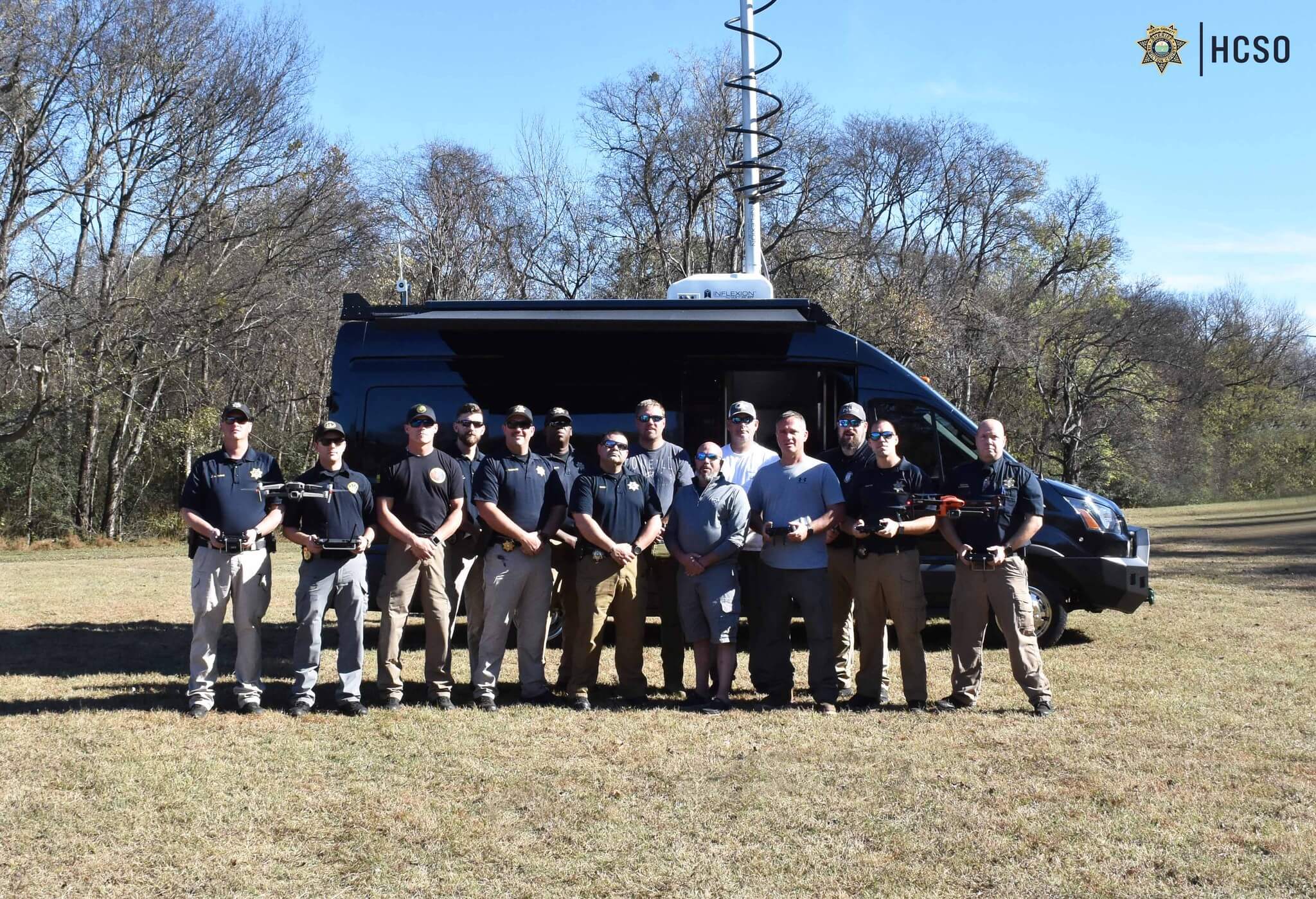
Finding and repairing damage, especially when it’s weather-related, takes time and can bring technicians and repair teams over tough terrain. MCCs provide essential technology like Unmanned Aircraft Systems (UAS) with charging and piloting stations to guide workers to where they need to be in the safest way possible.
Water Infrastructure and Security
Power and phone service are important parts of the infrastructure, but everyone needs water to survive. The threat of poisoned drinking water sources is a real consideration in today’s world. The nation’s aqueducts, reservoirs, underground lines, and water treatment plants require physical protection and security from pollution during catastrophic storms.
To address these challenges, municipalities need access to high-bandwidth data processing of water samples and equipment readings, even if the power and telecom systems are out. The use of UAS helps security teams monitor miles of water sources without having to hike to the location.
Infrastructure Defense Requires Key Technologies
Mobile command centers provide commanders and other team members with shelter while working, but they also provide a wealth of technology that aids the technicians and other workers as they do their jobs.
Heavy-Duty Telescoping Masts: DRAXXON’s DX-1000 can be fitted with heavy-duty pneumatic or electric telescoping masts with signal boosters. They provide high-magnification, Pan-Tilt-Zoom optical cameras, thermal imagers, and weather monitoring stations.
Integrated UAS Operations: Charge battery packs so that as one UAS comes in, the next is already heading out. Onboard piloting stations enable the flight commander to work from a sheltered location with monitors that are visible in the bright sunlight. Real-time footage of the terrain is always available, even in smoky or foggy conditions.
Resilient On-Board Communications & Edge Computing: Primary cell towers may be down after a severe weather event or wildfire, but an MCC from DRAXXON has enterprise-grade Cradlepoint 4G LTE/5G multi-WAN routers, auto-pointing satellite uplinks, and mesh radio systems. Reliable communications allow for quick, problem-free uploads, diagnostics, and access to geographic information systems.
DRAXXON’s MCC Options and Benefits
DRAXXON is a leader in custom modular command environments for mission-critical operations. We offer off-road vehicles on durable chassis and long-duration command trailers that you can tow to your preferred site and leave in place until the mission is over. We also have portable ground stations.
The DX-1000 Mobile Command Vehicle
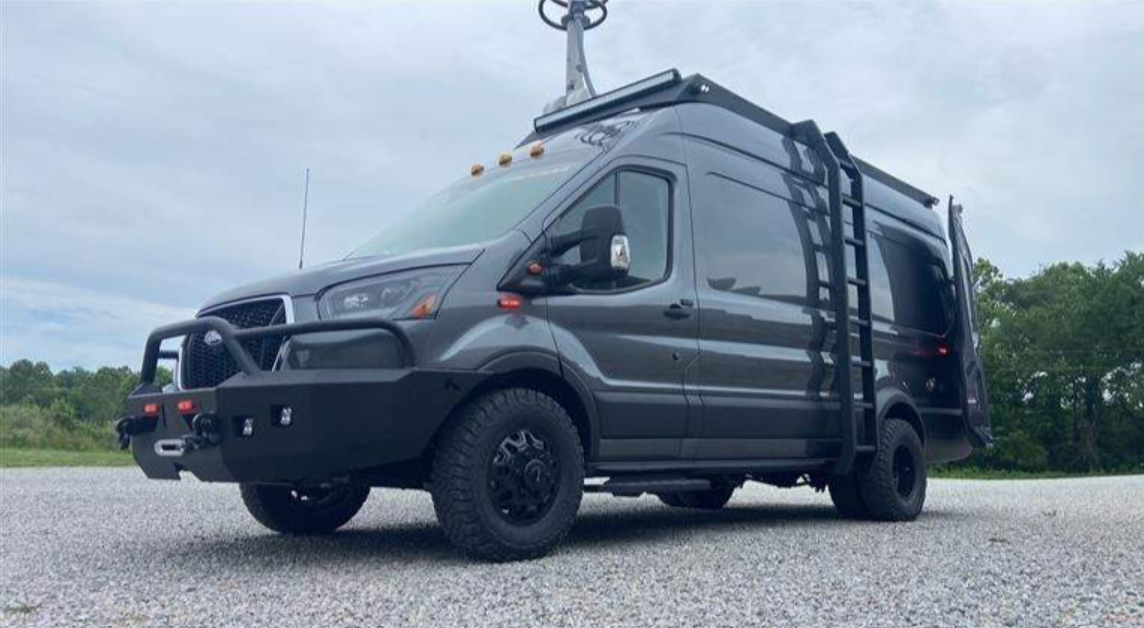
DRAXXON builds the DX-1000 on a heavy-duty Ford Transit or Mercedes Sprinter chassis. It’s an easy-to-drive van that doesn’t require a CDL, but the four-wheel drive and all-terrain suspension make it easy to drive in remote areas. It can get to flooded substations and off-grid mountain roads.
Technology includes multiple monitors, climate-controlled flight and workstations, dry-erase surfaces, onboard imagery recording systems, and ergonomic seating.
The DX-816 Mobile Command Trailer
When restorations are expected to take days or weeks, it’s often easier to tow a DX-816 to the site and leave it there until the mission is over. With 8.5 by 16 feet of space, there’s a lot of room for your work. The fully-electric power options are ideal for restorations where the power grid is down.
Portable Ground Control Stations (GCS)
When terrain prevents you from accessing the area in a vehicle, DRAXXON’s Pelican-case Portable Ground Control Stations are perfect. They’re equipped with daylight-visible monitors, tactical battery power, and telemetry links in a portable, compact unit. If you have to hike in to reach a hydroelectric dam, a portable GCS is best.
DRAXXON Provides Scalable Reliability for Infrastructure Protection
If your district relies on security that’s sitting back at headquarters and maintenance teams that go into the field when something goes wrong, you’re missing opportunities to protect your infrastructure from storms, attackers, and the environment.
Predictive maintenance alerts you to potential issues before they cause lengthy outages or downtimes. MCCs make it possible to bring today’s technology to the field. As technology changes, swap components for newer options. These are essential parts of managing the infrastructure in scalable, effective ways.
By using off-road capabilities with the DX-816 or DX-1000, plus integrated drones and high-bandwidth satellite communications, your team stays connected. You work cohesively to protect the energy grids, natural gas lines, and water networks.
Give our experts a call or schedule a demonstration to see the many benefits of utilizing DRAXXON’s MCCs and technological features. With a custom-designed MCC at your disposal, the infrastructure is protected against everything from weather to bad players.