Whether you’re tasked with emergency response, high-stakes security detail, or disaster management, situational awareness is key. You need to be organized, informed, and able to predict potential issues before they arise.
A Mobile Command Vehicle (MCV) ensures you have essential real-time information, the tools to coordinate teams successfully, and the capability to launch and operate Unmanned Aircraft Systems (UAS). It doesn’t matter what Mother Nature throws at you. If you lose cell towers and power lines, it’s still fine. Plus, situations may change rapidly, and you’re able to keep up and stay organized.
However, no matter how essential an MCV is, they cost money. Most organizations have strict budgets, and exceeding them may mean taxpayers have to pay more. In a tight economy, they may not be as willing as you want. You could fundraise, but you’re not guaranteed to get what you need. This is why many organizations have to decide between leasing and buying.
Today, specialized options like the Draxxon Leasing Program are making it easier to get an MCV to help with the work you do. We’ll help you understand your options and provide the information you need to decide whether leasing or purchasing is best for you.
Choosing Your Vehicle: What Are Your Needs?
Before diving into the financial aspect of MCVs, you need to understand the technology and physical footprint of today’s MCVs. In the past, they could be so large that a commercial driver’s license (CDL) was required. It’s changed a lot. The smaller footprint makes them easier to operate and can also help lower the price.
Today’s mobile command units range in size, which greatly impacts their price.
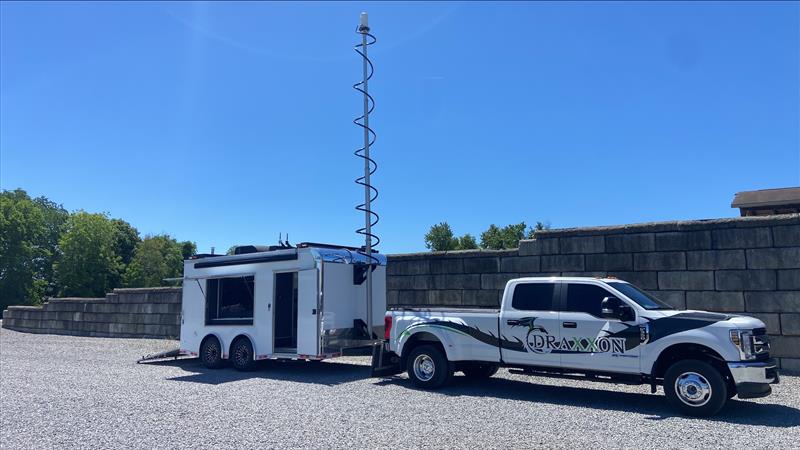
- DX-816: An 8.5 x 16-foot extended-height mobile command trailer.
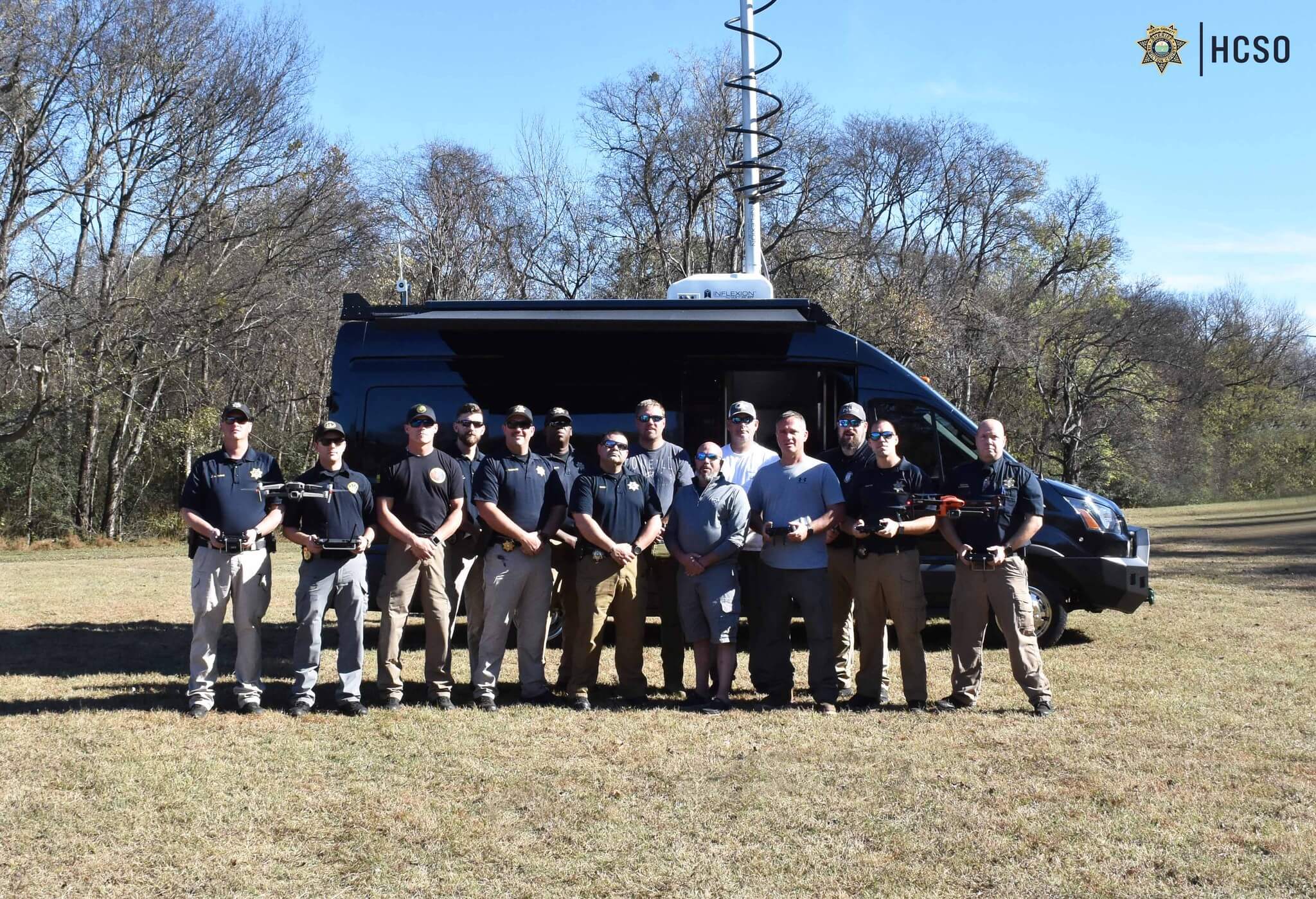
- DX-1000: A mobile command vehicle within a Ford Transit or Mercedes Sprinter chassis that can have off-road capabilities.
No matter which you choose, you end up with a mobile command unit that includes intuitive communications, data processing technology, surveillance equipment, and UAS and counter-UAS control stations.
Mobile Command Vehicles: Buying vs. Leasing Compared
We cannot tell you which option is best, as every mission is unique. Without knowing exactly what you do and which technologies and features you need, we can only offer guidance. The National Guard in the Midwest needs a different setup from that in New England.
Differences like terrain and weather conditions require specialized interiors. This is where you have to start weighing the benefits and risks of buying or leasing an MCV.
| Buying | Leasing | |
| Customization | Yes, unlimited options and setups | Yes, through add-ons, which may limit possibilities |
| Flexibility | Rigid | Short or long-term lease |
| Obsolescence | Hardware upgrades keep technology current | When your lease ends, you have the option to immediately lease the newest model and tech |
| Support/Maintenance | Available, often through a separate contract | Included with the lease |
| Upfront Capital | Yes, full cost | No, make smaller scheduled payments |
Draxxon’s Guardian Program helps protect against obsolescence, too. The Guardian Program is an exclusive maintenance add-on for MCVs and fleets. It offers:
- 24/7 support: Remote diagnostics and training fit your schedule, day or night.
- AI-driven predictive maintenance: Identify potential issues before they lead to costly breakdowns.
- Annual 105-point inspections: DX electricals, safety features, and tech completed at your site or at our facility.
- Cross-brand integration: Draxxon’s Guardian Program can be set up on your non-Draxxon equipment.
- Custom Upgrades: Enjoy upgrades tailored to your organization’s responsibilities and needs, even as they change over time.
- Priority Access: Learn of new features and equipment before others.
Don’t Overlook Technology’s Lifecycle
We feel that the technology lifestyle is important when you’re debating leasing vs. purchasing. A chassis may last 20 years or more, but the technology in it is often obsolete within 5 to 10 years.
Think about how quickly companies release new camera, laptop, or smartphone models. Many companies release new models every year. It’s hard to be at the top of the game if you cannot keep up with data processing speeds, UAS standards, and hardware such as cameras and video monitors.
When you buy new, you have a functional mobile command unit that’s useless once the technology is outdated. You have to either buy a new unit or pay for tech upgrades. Leasing, however, means you get the latest tech and vehicle as soon as your lease ends.
What to look for in a lease: A well-structured lease provides a clear path to transition to the next model or to swap out obsolete technology, ensuring your fleet’s value never diminishes.
What to look for if you buy: If you choose to purchase, make sure the MCV is engineered for modularity. When new tech is released, you can bring it in for a quick component swap, keeping your mobile command center up to date and never slowing your team down.
Know Your Budget
Leasing is cheaper than buying an MCV. It’s hard to ignore the cost difference.
Buying (Capital Expenditure)
When you buy new, you own the MVC from the first day in most cases. You must have the cash in hand when you pick it up. Municipalities or government agencies with assets, federal grants, and capital improvement budgets often have the funds available.
If you have to finance part of the purchase, missing payments could result in a repossession, which is problematic. Ideally, you want to have the cash in hand.
Leasing (Operating Expenditure)
Leasing shifts your organization from needing to secure available capital to making smaller monthly payments. With Draxxon’s Leasing Program, you can get DX line mobile command centers at an affordable price.
Ask About Maintenance and Operational Support
Unlike a standard utility van, an MCV combines van mechanics with complex auxiliary power systems, including fully electric options, HVAC, and IT networking. You could even add solar panels and harness nature’s energy if you wanted. There’s a lot to it.
When you purchase an MCV, you’re responsible for the cost of hardware, vehicle breakdowns, regular maintenance, and troubleshooting. If something goes wrong, you need to have the money available for the repairs.
When you lease, comprehensive lifecycle support can be bundled directly into the agreement. For instance, high-tier leasing programs protect mission readiness by including:
- 24/7 Emergency Support: Have immediate access to 24/7 support during your active emergency responses or critical operations.
- Regular Maintenance Protocols: Scheduled hardware inspections and proactive troubleshooting are part of the leasing process.
- A Dedicated Maintenance Partner: Work with Draxxon’s maintenance experts for technical access and education, taking time-consuming tasks off your team’s shoulders.
Making a Strategic Decision
Ultimately, choosing between leasing and buying an MCV depends on aligning your organization’s budget with your operations.
Buying remains a wise path forward for agencies with stability and access to upfront capital for download repairs and upgrades.
Leasing is the modern solution for organizations needing financial flexibility, protection against obsolescence, and an MCV that’s always mission-ready. The latest vehicles and technology are your future.
When you choose Draxxon Leasing, you can choose a short- or long-term lease. No matter which you select, emergency support and a vehicle that’s ready when you are become certainties.